

For this photoshoot, I will build on the methods used in my previous shoots, maintaining consistency in my approach. I will use two lenses, switching between them depending on the subject to allow for both wider environmental shots and more detailed, focused compositions as this worked in my previous photoshoot and i'd like to experiment more with the idea.
However, this time, I will eperiment with the use of prisms to reflect and refract light within the frame. This will allow me to introduce layered, fragmented visuals and create a more ethereal, distorted atmosphere, linking to my ongoing theme of perception and the fleeting.
I initialy planned this shoot for Tuesday 28th April however after checking the weather, I have chosen the next day instead as it offers much better weather conditions with clear skies and lower winds than Tuesday.
I will also go during mid afternoon around 3/4pm to avoid harsh mid day lighting, instead achieving softer shadows to match the intended prism effects.
There are no additional costs associated with this shoot, aside from the petrol for the 20 minute journey there and back.


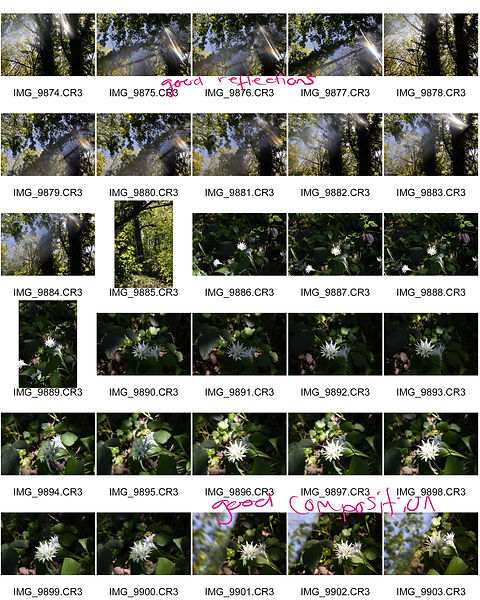
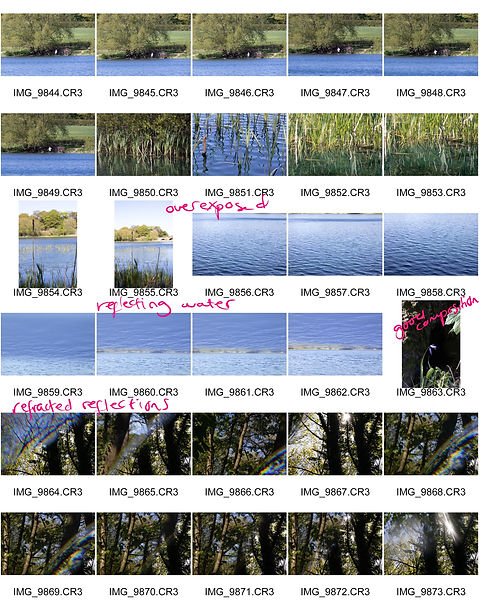


I conducted this shoot between 3:30pm and 5pm, capturing a range of natural subjects including water, flowers, trees, plants, and the sky.
I began with the water, as it was the first area I reached when I arrived at the location, and used this as an opportunity to experiment with the prism and understand how it interacted with the environment.


Initially, I found the prism difficult to control, particularly when trying to angle it to reflect specific areas of the scene. However, after some practice I became more confident in positioning it to achieve the desired reflections and layered compositions.
I entered the shoot with a low aperture of f4.5 as this had worked well in previous shoots to isolate subjects and highlight detail. However, I discovered that the prism required a much deeper depth of field in order to keep both the original subject and the reflected elements in focus without the camera physically focusing on the prism itself. As a result, I adjusted my aperture to f16, which I maintained for most of the shoot when using the prism.
A key intention throughout this shoot was to avoid simply producing visually appealing images, which can often happen when working with nature and new techniques. To ensure conceptual depth, I explored the contrast between life and decay by photographing fallen trees and dead wood while using the prism to reflect healthy, living trees above them. This created a visual contrast between different stages of change over time and was a good way for me to capture these changes that have processes too long for me to capture organically in this project.
This idea was influenced by my previous joiner work, where I explored combining multiple perspectives within a single image. The prism allowed me to develop this further by integrating contrasting elements seamlessly within one frame, rather than presenting them side by side.
When photographing flowers, I experimented with angling the prism to reflect the flowers back onto themselves and also extend them towards the edges of the frame. This created a sense of distortion and transformation, visually suggesting growth and change, as if the subject was shifting into something new.
During the shoot, I found that my zoom lens was less effective when working with the prism, as it required me to stand further away from the subject. This distance limited the prism's ability to capture and reflect the elements I was photographing. After testing both lenses, I chose to primarily use my kit lens, which allowed me to work closer to subjects an achieve stronger, more controlled reflections.
Overall, I believe this shoot represents a clear development from my previous work. While maintaining a consistent approach in terms of subject matter, the introduction of the prism allowed me to visually communicate the concept of change rather than simply suggesting it. The images move beyond observation and begin to manipulate perception, aligning more directly with my project's intentions.
If I were to repeat this shoot, I would further develop the idea of contrasting life and decay, exploring a wider range of subjects that demonstrate this transition. I think this direction was particularly successful in adding meaning to the images and strengthening their connection to my theme.


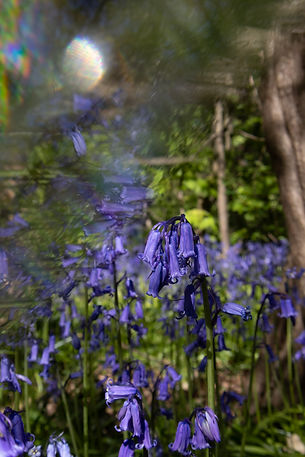
I used Adobe Lightroom to edit my images, focusing primarily on composition, colour, clarity, and dehazing. A key aim throughout the editing process was to create a consistent visual atmosphere across the images while still allowing each one to feel individual.
I wanted the images to have a bright, warm quality that felt slightly nostalgic - almost like a fading memory. This links to my concept of change, particularly the idea that some moments only continue to exist through memory. The final images reflect this intention, resembling how summer is remembered during winter, where colours feel softened and slightly idealised rather than completely accurate.
I also focused on cropping, often decontextualising subjects into patterns and smaller details. During this project, I have found that by removing the full context of the scene, you can prevent viewers from immediately recognising the subject and instead encourage them to engage more closely with texture, shape, and form. This supports my intention of making viewers notice elements they might usually overlook due to familiarity.
In terms of texture, I often decreased clarity while increasing sharpness. Although this may seem counterintuitive, I found it effective in creating a softer, more atmospheric image while still retaining important details. This combination helped to enhance the dreamlike, reflective quality I was aiming for without losing visual focus.
Overall, I am pleased with the final outcomes. I believe the images successfully communicate both a visual and conceptual sense of change, and they would work well as part of my final outcomes and end of year exhibition.
However, there is still room for further development. I would like to experiment more with these images, particularly by exploring a joiner style approach again. This would allow me to build on the existing conceptual link between multiple perspectives and layered compositions, extending the idea of change by combining different moments or viewpoints within a single piece. I think this could push the work further, making the theme of change more complex and visually engaging.


